

Is Newborn Photography Safe? What Every Parent Should Know

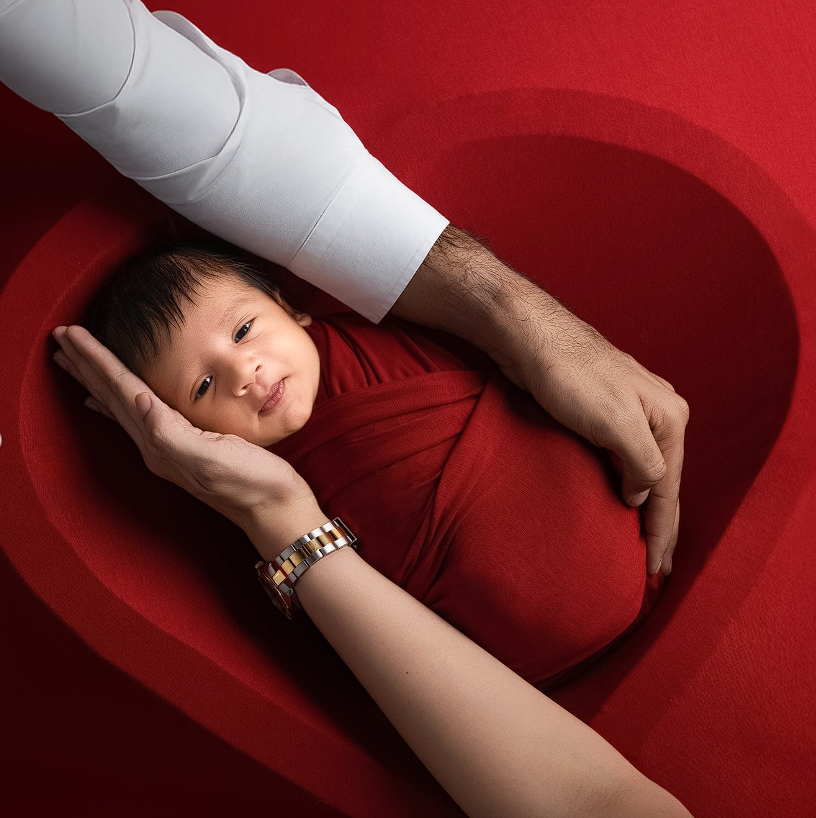
Newborn photography has become a beautiful way to capture the earliest days of a baby’s life. Those tiny fingers, sleepy smiles, and curled-up poses create memories parents cherish forever. But one question naturally comes up for every parent: Is newborn photography safe?
The short answer is yes—when done correctly by a trained professional. However, safety depends entirely on how the session is handled. This guide breaks down everything parents should know before booking a newborn photoshoot.
Choose a trained and experienced newborn photographer
Ensure proper hygiene and sanitized props
Baby should never be forced into poses
Sessions must be baby-led (feeding, comfort first)
Room temperature should be warm and controlled
Always have a spotter (parent or assistant) nearby
Understanding Newborn Photography Safety
Newborns are delicate. Their immune systems are still developing, their neck muscles are weak, and they are highly sensitive to temperature and handling. That’s why newborn photography isn’t just about creativity—it’s about skill, patience, and safety-first practices.
Professional photographers are trained to:
Handle babies gently
Recognize signs of discomfort
Use safe posing techniques
Maintain a clean and calm environment
Without these precautions, a photoshoot can quickly become unsafe.
1. The Importance of Choosing the Right Photographer
Not all photographers are trained to handle newborns. This is one of the most critical decisions you’ll make.
Look for:
Experience specifically in newborn photography
Knowledge of baby posing and safety techniques
A portfolio showing natural, relaxed poses
Positive reviews from other parents
Professionals such as Toddler Tales by Tuna offering a Top Maternity Shoot in Mumbai often extend their expertise into newborn photography as well, ensuring continuity in quality and safety standards.

2. Safe Posing: What Parents Should Know
You’ve probably seen photos of babies in adorable curled-up or gravity-defying poses. What many parents don’t realize is that some of these images are composites—meaning they are created by merging multiple photos in editing.
Key safety rules:
Baby’s neck and head must always be supported
No pose should restrict breathing
Complex poses should never be done without editing support
Never force a baby into a position
If a baby resists a pose, a professional will immediately stop. Comfort always comes first.
3. Hygiene and Cleanliness Are Non-Negotiable
Newborns are highly vulnerable to infections, so hygiene is critical.
What to expect:
Washed hands before handling the baby
Clean, sanitized props and fabrics
Fresh blankets for every session
Photographer rescheduling if unwell
You should feel comfortable asking about hygiene practices—any professional will welcome the question.
4. Temperature Control: Keeping Baby Comfortable
Newborns cannot regulate their body temperature well. A photoshoot environment must be carefully managed.
Ideal setup:
Warm room (around 26–28°C)
Soft lighting (no harsh flashes directly on baby)
Gentle handling during outfit changes
If the baby feels cold or uncomfortable, it can lead to distress and unsafe conditions.
5. Baby-Led Sessions: No Rush, No Pressure
A safe newborn session is always baby-led, meaning the baby’s needs dictate the pace.
This includes:
Frequent feeding breaks
Time for soothing and comforting
Flexibility in poses and timing
Sessions can last 2–4 hours—not because of complexity, but because the baby’s comfort is the priority.
6. Role of Parents During the Shoot
Parents are not just observers—they play an important role in ensuring safety.
You should:
Stay close to your baby at all times
Act as a spotter if needed
Communicate any concerns immediately
Help soothe the baby when required
A good photographer will always involve parents and never isolate the baby during the shoot.

7. Props and Accessories: Safe Usage Matters
Props can enhance photos, but they must be used carefully.
Safe practices:
Use sturdy, stable props
Avoid sharp or rough materials
Ensure proper padding and support
Never suspend or hang a baby
Simple setups often work best and are the safest.
8. Timing of the Newborn Photoshoot
The safest and most ideal time for newborn photography is within the first 5–14 days after birth.
Why this window?
Babies sleep more deeply
They are naturally curled and flexible
Easier to pose safely
After this period, babies become more active, making certain poses less safe or achievable.
9. Red Flags to Watch Out For
If you notice any of the following, reconsider your choice of photographer:
Rushing through the session
Ignoring baby’s discomfort or crying
Lack of hygiene practices
Forcing complex poses
No assistant or safety support
Trust your instincts—your baby’s safety comes first.
10. Are Studio Lights and Cameras Safe for Babies?
Yes, when used correctly.
Professional photographers use:
Soft, diffused lighting
Controlled exposure settings
No direct, harsh flashes
Modern cameras and lighting setups are designed to be safe for newborns when handled properly.
Final Thoughts
Newborn photography is absolutely safe—but only in the hands of someone who prioritizes safety over everything else. As a parent, your role is to choose wisely, stay informed, and remain involved throughout the session.
The goal isn’t just to capture beautiful photos—it’s to ensure your baby is comfortable, protected, and cared for every second of the shoot. When done right, newborn photography becomes a peaceful, memorable experience for both you and your little one.
Comments